
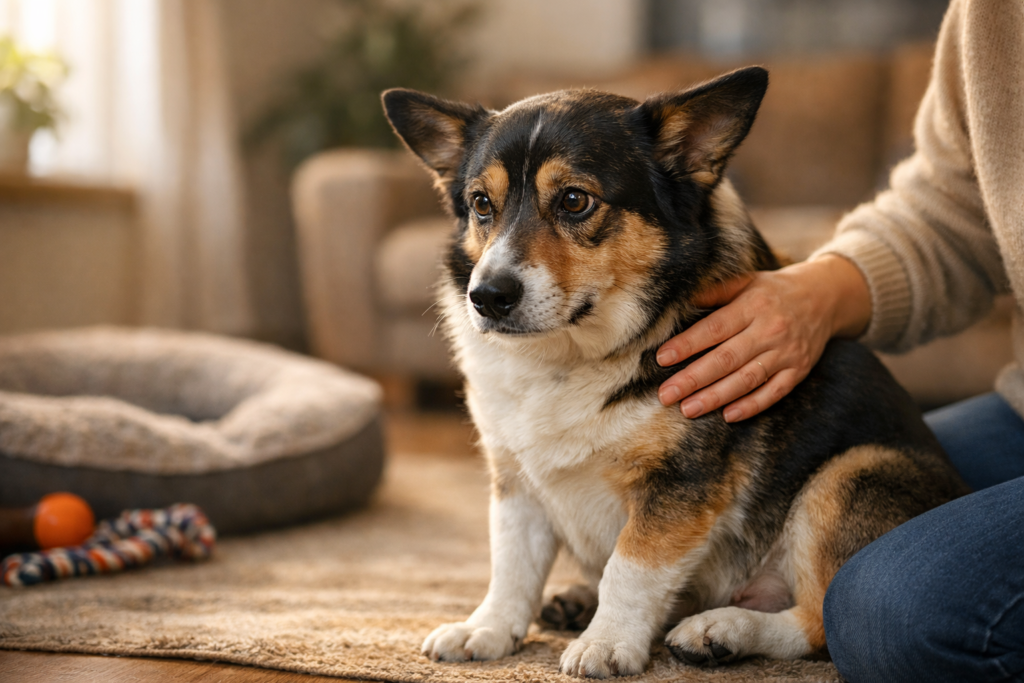
Dogs are loyal companions that bring joy, comfort, and emotional connection to millions of households. However, just like humans, dogs can experience stress and anxiety. When a dog becomes anxious, it may display unusual behaviors that can be confusing or concerning for pet owners.
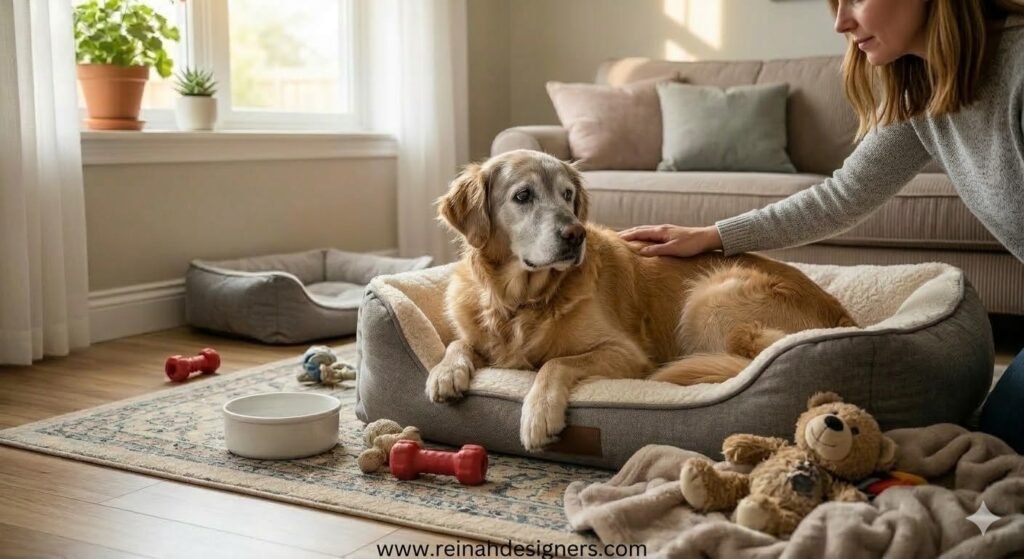
Understanding dog anxiety: causes, symptoms & what helps best is essential for providing the right care and support for your furry friend. Anxiety in dogs can affect their emotional well-being, behavior, and overall health if left untreated.
In this guide, we will explore the common causes of dog anxiety, how to recognize the symptoms, and the most effective ways to help your dog feel safe, calm, and confident.
What Is Dog Anxiety?
Dog anxiety occurs when a dog experiences fear, stress, or nervousness in response to certain situations or environments. While occasional nervousness is normal, persistent anxiety can interfere with a dog’s daily life.
When discussing dog anxiety: causes, symptoms & what helps best, it’s important to remember that every dog reacts differently. Some dogs may become withdrawn, while others may become overly vocal or destructive.
Anxiety can develop gradually over time or appear suddenly due to a traumatic event or major life change.
Common Causes of Dog Anxiety
Understanding the root cause of your dog’s anxiety is the first step toward helping them feel better.
1. Separation Anxiety
One of the most common forms of anxiety in dogs occurs when they are separated from their owners.
Dogs that suffer from separation anxiety may panic when left alone. They may bark excessively, chew furniture, scratch doors, or attempt to escape.
In discussions about dog anxiety: causes, symptoms & what helps best, separation anxiety often appears as one of the most frequent concerns among dog owners.
2. Fear-Based Anxiety
Fear anxiety occurs when a dog reacts to loud noises, unfamiliar environments, or strangers.
Common triggers include:
- Thunderstorms
- Fireworks
- Vacuum cleaners
- Construction noises
- New visitors
These situations may cause dogs to hide, tremble, or attempt to run away.
3. Past Trauma or Abuse
Dogs rescued from shelters or difficult backgrounds may develop anxiety due to previous negative experiences.
A dog that experienced neglect, abuse, or abandonment may take time to rebuild trust and feel safe again.
Understanding dog anxiety: causes, symptoms & what helps best is especially important for owners of rescue dogs.
4. Changes in Routine
Dogs thrive on routine. Sudden changes in their environment can create confusion and stress.
Examples include:
- Moving to a new home
- New family members or pets
- Changes in work schedules
- Traveling
These changes can disrupt a dog’s sense of security.
5. Aging and Cognitive Decline
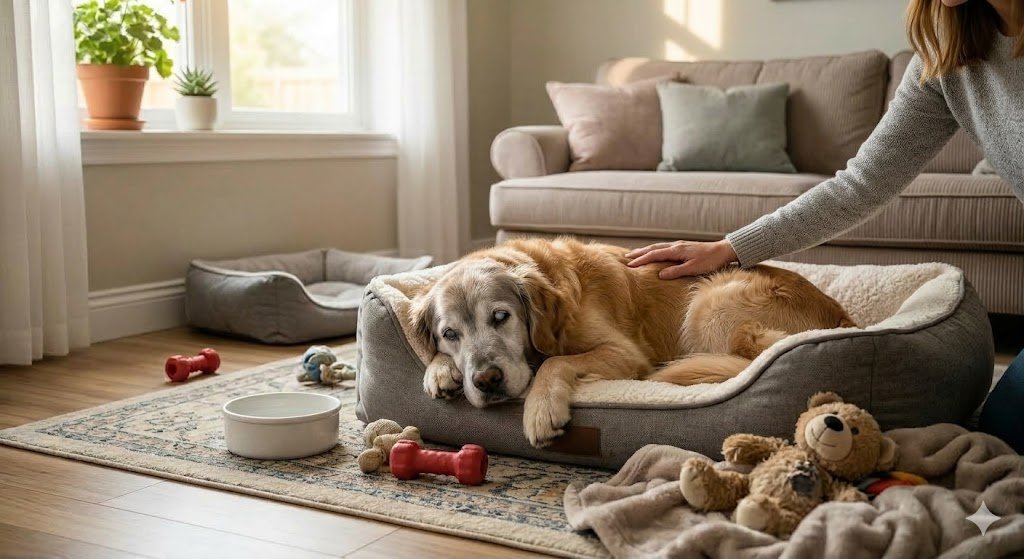
Older dogs sometimes develop anxiety due to cognitive dysfunction, which is similar to dementia in humans.
This may cause confusion, restlessness, and changes in sleeping patterns.
When discussing dog anxiety: causes, symptoms & what helps best, age-related anxiety should also be considered.
Common Symptoms of Dog Anxiety
Recognizing anxiety early allows owners to address the issue before it becomes severe.
Excessive Barking or Howling
An anxious dog may bark constantly, especially when left alone.
Destructive Behavior
Chewing furniture, scratching doors, or digging can be signs of stress.
Pacing and Restlessness
Some anxious dogs walk in circles or pace around the house repeatedly.
Trembling or Shaking
Shaking can occur when a dog feels frightened or overwhelmed.
Hiding
Dogs may hide under furniture or seek isolated areas when feeling anxious.
Loss of Appetite
Stress can cause dogs to lose interest in food or treats.
Recognizing these signs is a critical step when understanding dog anxiety: causes, symptoms & what helps best.
What Helps Dog Anxiety the Most?
Once you identify anxiety symptoms, there are many ways to help your dog feel calmer and more secure.
1. Establish a Consistent Routine
Dogs feel more comfortable when their daily activities follow a predictable schedule.
Try to maintain consistent times for:
- Feeding
- Walks
- Playtime
- Bedtime
Routine helps reduce uncertainty and anxiety.
2. Provide Plenty of Exercise
Physical activity is one of the best natural stress relievers for dogs.
Regular exercise helps release energy and promotes relaxation.
Daily walks, interactive games, and play sessions can significantly reduce anxiety levels.
When exploring dog anxiety: causes, symptoms & what helps best, exercise is often one of the most effective solutions.
3. Mental Stimulation
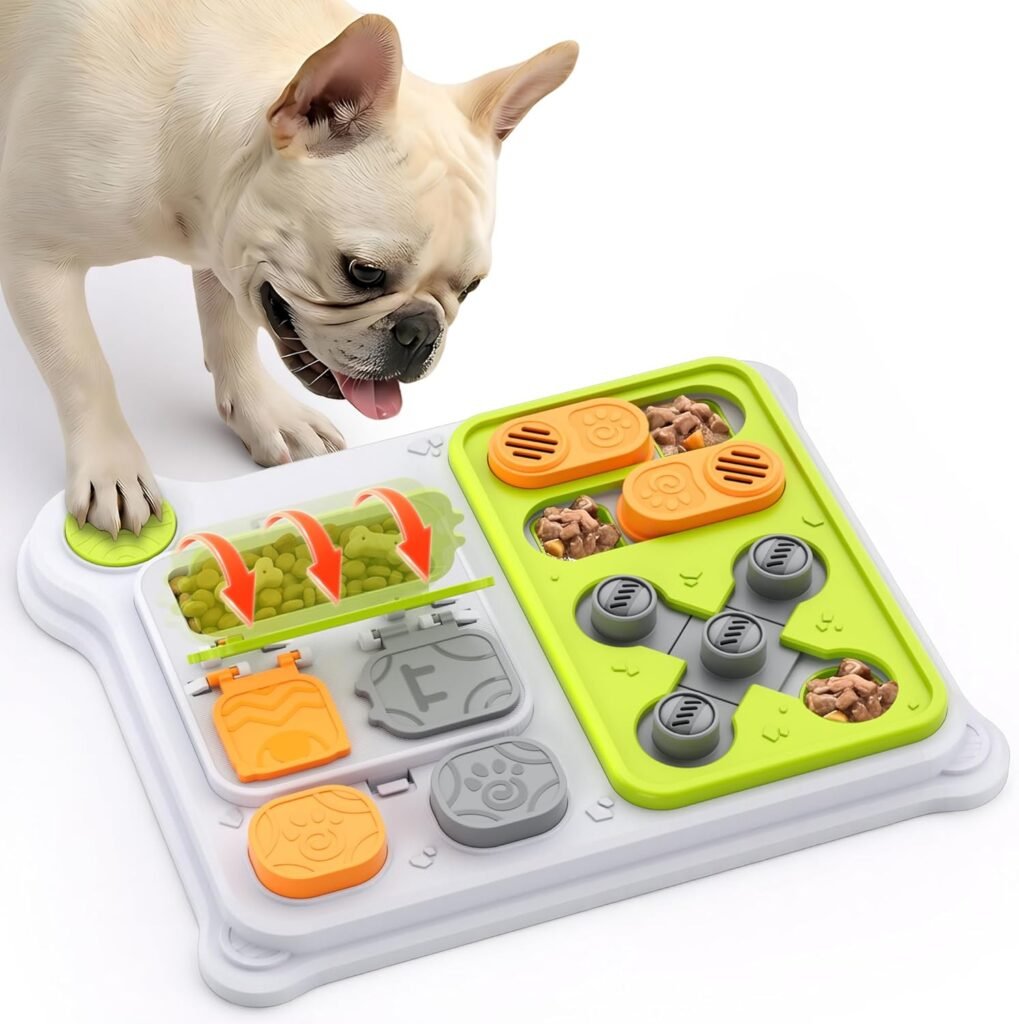
Mental enrichment keeps dogs engaged and prevents boredom-related anxiety.
Some great options include:
- Puzzle toys
- Treat-dispensing toys
- Training exercises
- Hide-and-seek games
These activities challenge your dog’s mind and build confidence.
4. Create a Safe Space
Dogs often feel calmer when they have a quiet area where they can retreat during stressful moments.
A safe space might include:
- A comfortable dog bed
- A crate with soft blankets
- Favorite toys
This space should be quiet and away from loud noises or heavy foot traffic.
5. Gradual Desensitization
Gradual exposure to anxiety triggers can help dogs overcome their fears.
For example, if your dog is afraid of thunderstorms, you can slowly expose them to recorded storm sounds at low volume while rewarding calm behavior.
Over time, this can reduce fear responses.
Desensitization is a commonly recommended method when addressing dog anxiety: causes, symptoms & what helps best.
6. Calming Products
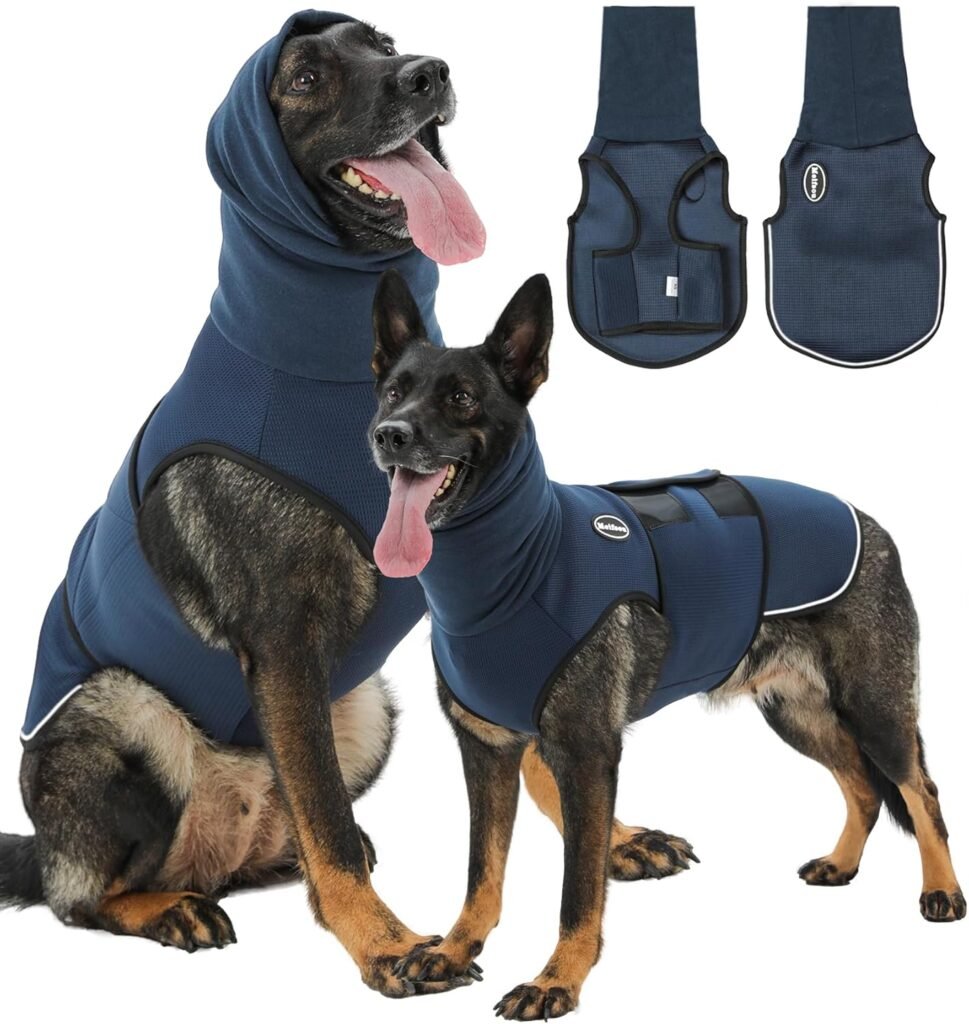
There are several calming products designed specifically for anxious dogs.
These include:
- Anxiety wraps or calming vests
- Pheromone diffusers
- Calming sprays
- Special calming treats
Many dogs respond positively to these tools when used alongside training and routine.
7. Training and Positive Reinforcement
Training helps build confidence and strengthen the bond between you and your dog.
Teaching commands such as:
- Sit
- Stay
- Come
- Relax
helps dogs feel more secure because they understand expectations.
Positive reinforcement training is particularly helpful when managing dog anxiety: causes, symptoms & what helps best.
8. Professional Help
If anxiety becomes severe, it may be helpful to consult a professional.
A veterinarian or certified dog trainer can provide specialized guidance.
In some cases, vets may recommend behavioral therapy or medication for extreme anxiety cases.
Seeking help is an important step when anxiety significantly affects a dog’s quality of life.
Preventing Dog Anxiety

Preventing anxiety is often easier than treating it.
Early socialization helps puppies become comfortable with different environments, people, and experiences.
Introduce your dog to:
- New people
- Different locations
- Other animals
- Various sounds and objects
Gradual exposure helps build resilience and confidence.
Understanding dog anxiety: causes, symptoms & what helps best early in your dog’s life can prevent many behavioral problems later.
When to See a Veterinarian
While mild anxiety is common, severe cases should be evaluated by a professional.
You should consult a vet if your dog:
- Injures itself during anxiety episodes
- Refuses food for long periods
- Shows extreme destructive behavior
- Displays sudden personality changes
A vet can rule out medical conditions and recommend appropriate treatment.
Final Thoughts
Dog anxiety is more common than many pet owners realize. Fortunately, with the right knowledge and care, most dogs can learn to manage their stress and live happy, relaxed lives.
By understanding dog anxiety: causes, symptoms & what helps best, you can recognize early warning signs and take action before the problem worsens.
Creating a stable routine, providing exercise and mental stimulation, and offering reassurance are powerful ways to help your dog feel secure.
With patience, compassion, and proper support, your dog can overcome anxiety and enjoy a calm, confident life by your side.