
Training your dog is more than teaching commands it’s about learning how to train your dog in a way that builds a strong bond, ensures safety, and supports your pup’s mental and physical well-being. Every dog, from playful puppies to older companions, benefits from consistent training, which creates a happier, more harmonious household. Whether you want a well-behaved dog, a social companion, or simply less stress during walks, understanding how to train your dog with the right approach, tools, and mindset makes all the difference.
In this guide, we’ll explore essential dog training tips and tools, step-by-step techniques for common commands, solutions for behavioral challenges, and advice to make training enjoyable for both you and your dog. By following these strategies, you’ll feel more confident in how to train your dog effectively and help your furry friend thrive in any environment.
1. Understanding Your Dog’s Behavior
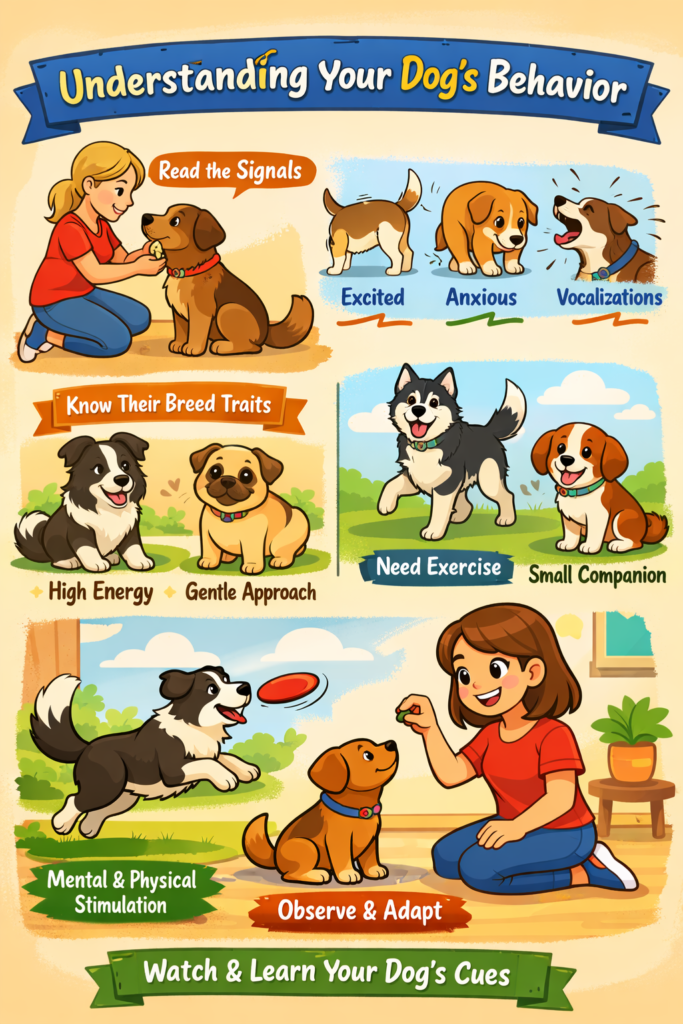
The foundation of successful training is understanding your dog’s unique personality, energy level, and instincts. Dogs communicate through body language, vocalizations, and behavior patterns, and recognizing these cues allows you to respond appropriately. Learning how to train your dog effectively starts with noticing these signals for example, a dog pacing before a walk may indicate excitement, while a tucked tail can signal fear or anxiety.
Knowing your dog’s breed tendencies can also guide training. High-energy breeds like Border Collies or Huskies need mental stimulation and physical exercise, while smaller companion breeds may require gentler approaches. Observing your dog closely ensures that training sessions are both effective and enjoyable. By applying these strategies, you’ll gain confidence in how to train your dog while preventing frustration for yourself and stress for your pet.
2. Essential Training Tools
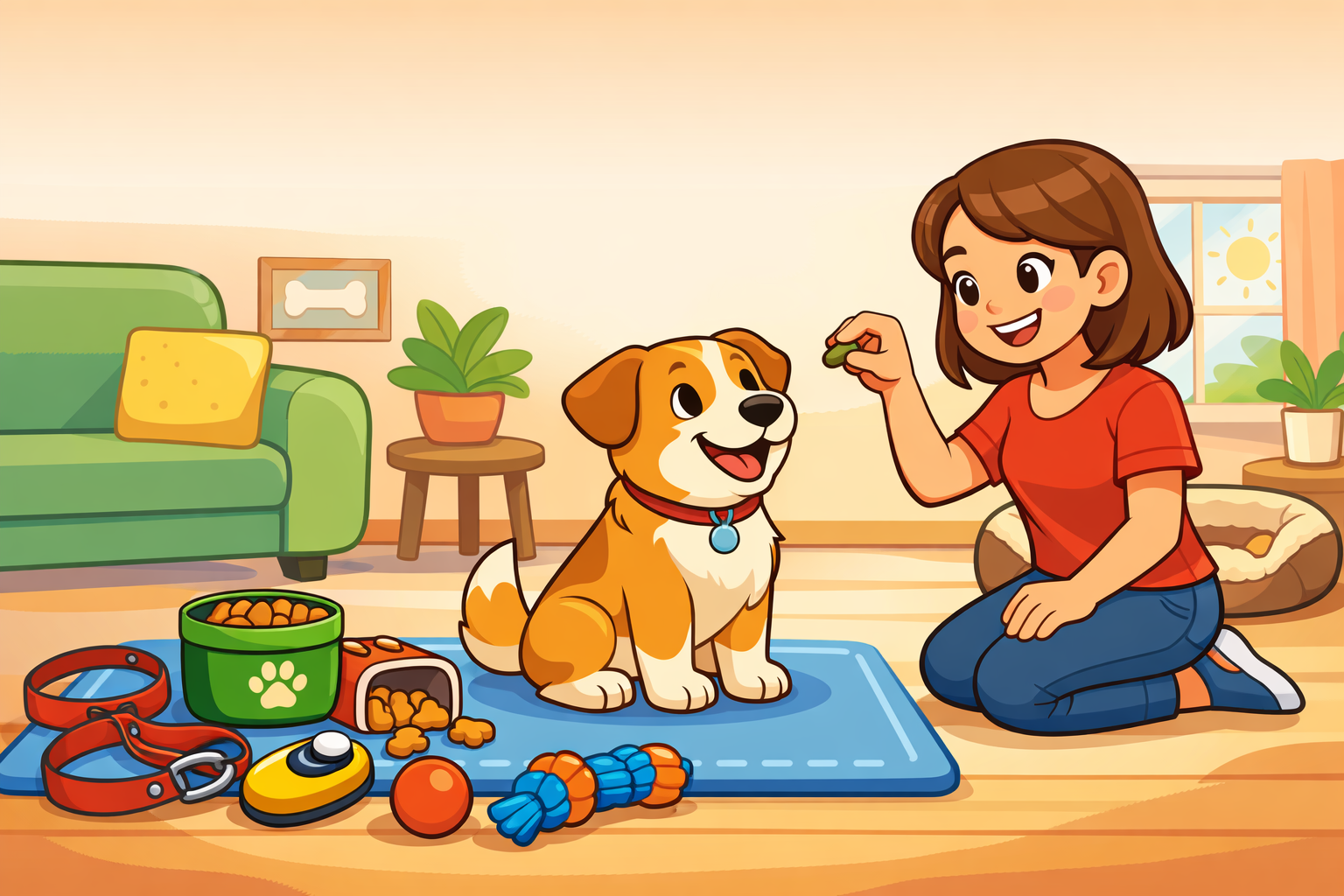
Having the right tools makes dog training easier, safer, and far more rewarding for both you and your pup. While you don’t need a complicated setup, a few basic training essentials can make a big difference in helping your dog learn faster and stay motivated. Items like a sturdy leash, a comfortable harness or collar, tasty training treats, and a clicker for positive reinforcement can improve communication and build good habits, which are key when learning how to train your dog effectively. Interactive toys and training mats also help keep sessions engaging while supporting focus and calm behavior. With the right tools on hand, you’ll create a smoother training experience and set your dog up for long-term success, giving you confidence in how to train your dog properly.
- Clickers: Perfect for positive reinforcement, clickers provide a clear, consistent signal to let your dog know they’ve performed the desired behavior.
- Leashes and Harnesses: Essential for safe walks, especially in public spaces. Harnesses distribute pressure more evenly and reduce strain compared to collars.
- Treats: Small, soft, and tasty rewards encourage dogs to repeat good behaviors. Use them strategically to reinforce learning.
- Toys: Engaging toys can motivate your dog during training and provide mental stimulation. Puzzle toys or fetch toys can double as rewards for completed tasks.
These tools create structure in training, provide clear communication, and make sessions fun for your dog.
3. Positive Reinforcement Techniques
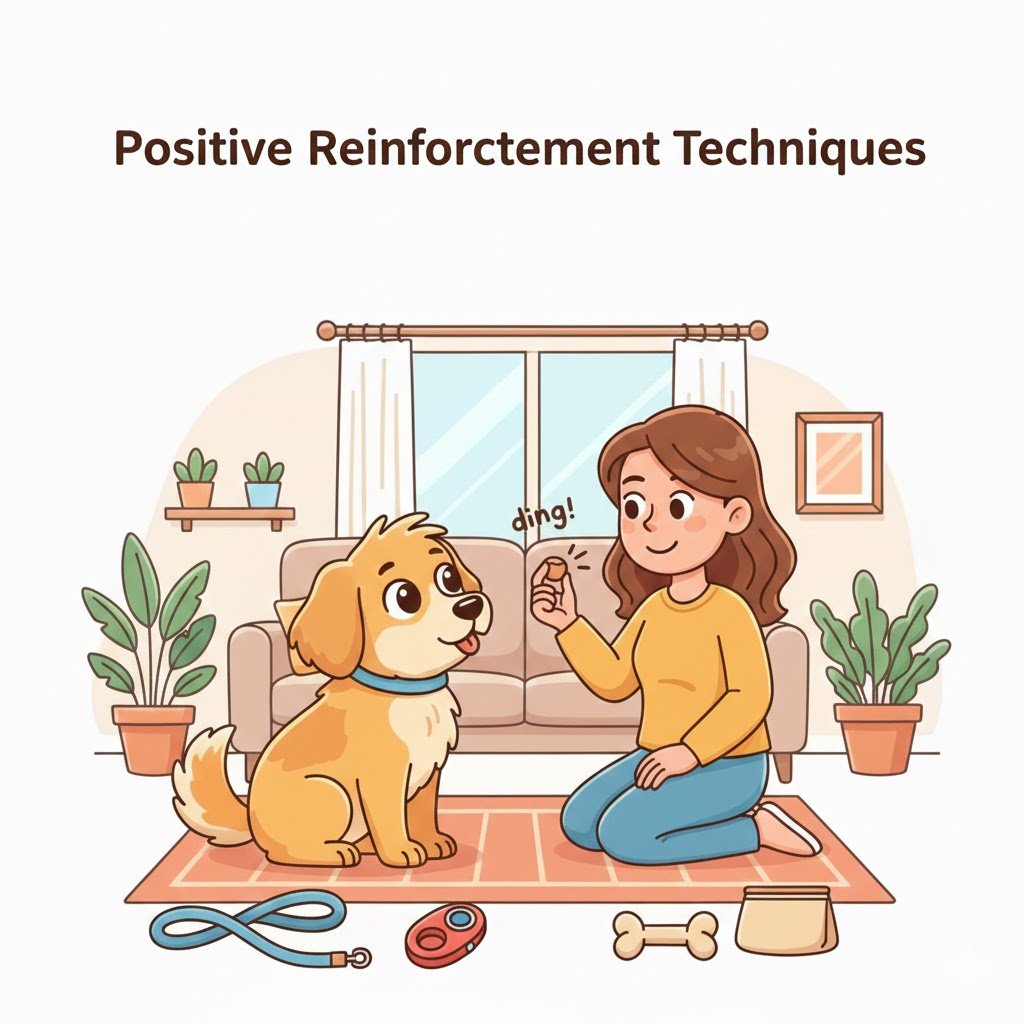
Positive reinforcement is widely considered the most effective and humane method when learning how to train your dog. It involves rewarding desired behaviors rather than punishing mistakes, using treats, praise, and playtime as incentives. The key is timing: the reward must immediately follow the behavior so your dog connects the action with the positive outcome.
Consistency is essential. If you reward a dog for sitting sometimes but not others, the behavior becomes confusing. Keep training sessions short 5–10 minutes for puppies and gradually increase complexity. Positive reinforcement not only teaches commands but also strengthens your bond, builds trust, and makes learning a joyful experience, providing a solid foundation for how to train your dog effectively.
4. Basic Commands Every Dog Should Know
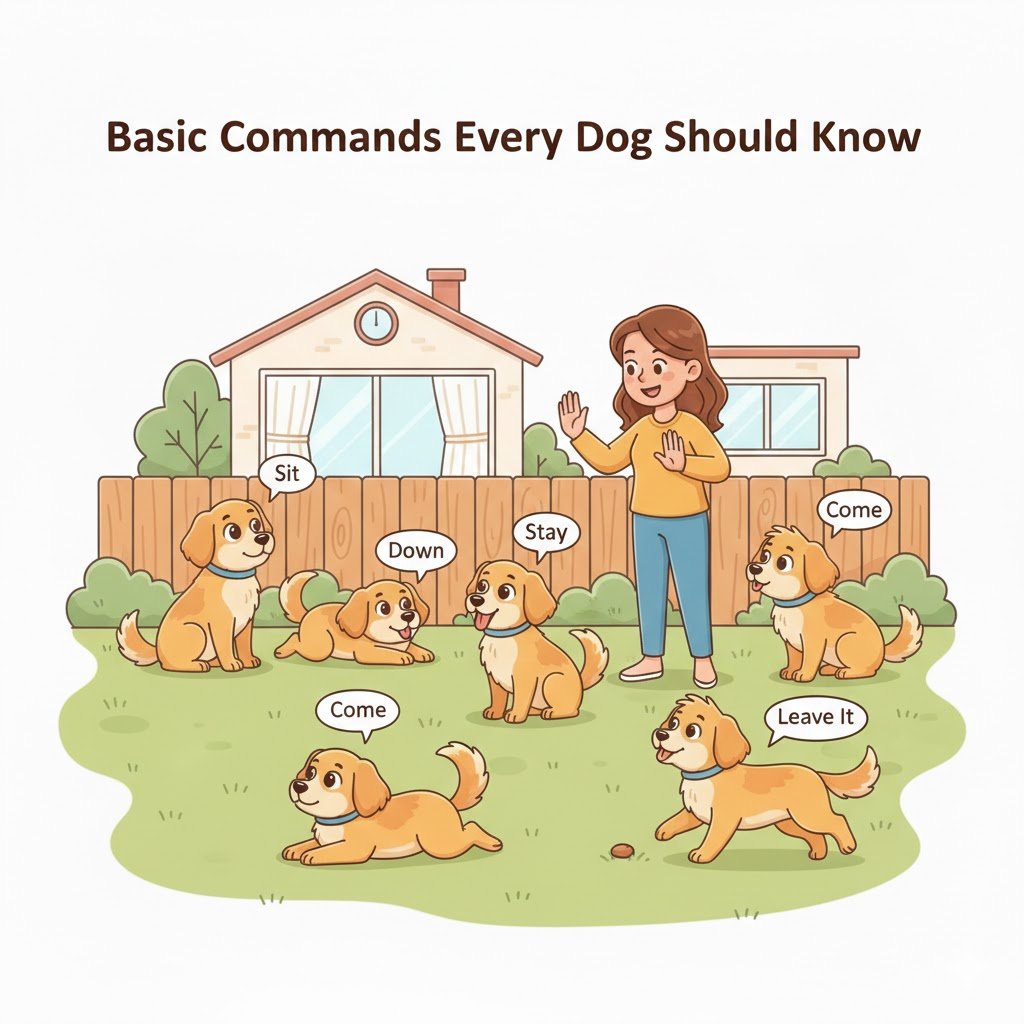
Teaching basic commands lays the groundwork for obedience, safety, and effective communication. Essential commands include:
- Sit: Encourages calm behavior and forms the basis for many other commands.
- Stay: Helps your dog remain in place and promotes impulse control.
- Come: Crucial for recall and safety, especially outdoors.
- Down: Encourages relaxation and control in distracting environments.
- Leave It: Prevents your dog from picking up dangerous or unwanted items.
- Heel: Keeps your dog walking politely beside you.
Start with one command at a time, use treats and praise, and repeat consistently. Break training into small, manageable steps, gradually increasing distractions and duration.
5. Crate Training
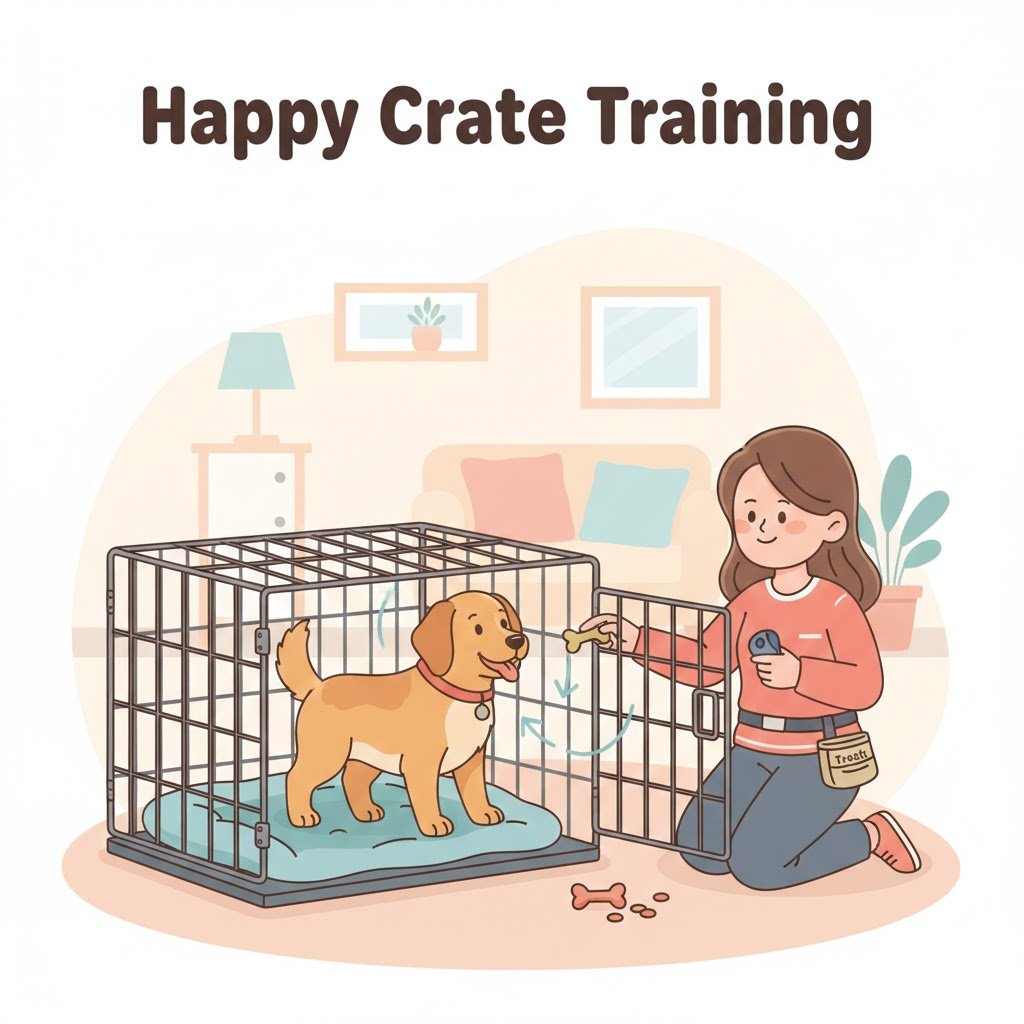
Crate training is a valuable tool for housebreaking, safety, and creating a secure space for your dog. When introduced correctly, crates become a comfortable retreat rather than a punishment. Begin by making the crate inviting: use soft bedding, treats, and toys. Never force your dog inside or use the crate for extended periods.
Crate training teaches dogs to hold their bladder, reduces destructive behavior, and provides a safe space when unsupervised. Gradually increase crate time, and always reward calm behavior. This method supports both training and overall well-being.
6. Leash Training
Walking politely on a leash is crucial for safety and enjoyment. Loose-leash walking reduces pulling, prevents accidents, and makes walks more relaxing. Begin in a low-distraction environment and use treats or praise to encourage walking beside you.
Correct pulling by stopping or changing direction helps dogs learn that pulling doesn’t get them what they want. Harnesses, gentle leaders, and training leashes provide added control without causing discomfort. With patience, dogs learn to enjoy walks while practicing good behavior.
7. Socialization Tips
Socialization is vital for developing a well-rounded, confident dog. Proper exposure to other dogs, people, and new environments prevents fear, anxiety, and aggression. Start early, introducing your dog to varied experiences gradually and positively.
Reward calm behavior during socialization and avoid forcing interactions. Puppy classes, playdates, and controlled outings allow your dog to practice social skills safely. Well-socialized dogs are more adaptable, confident, and easier to train in public settings.
8. Dealing with Common Behavioral Issues
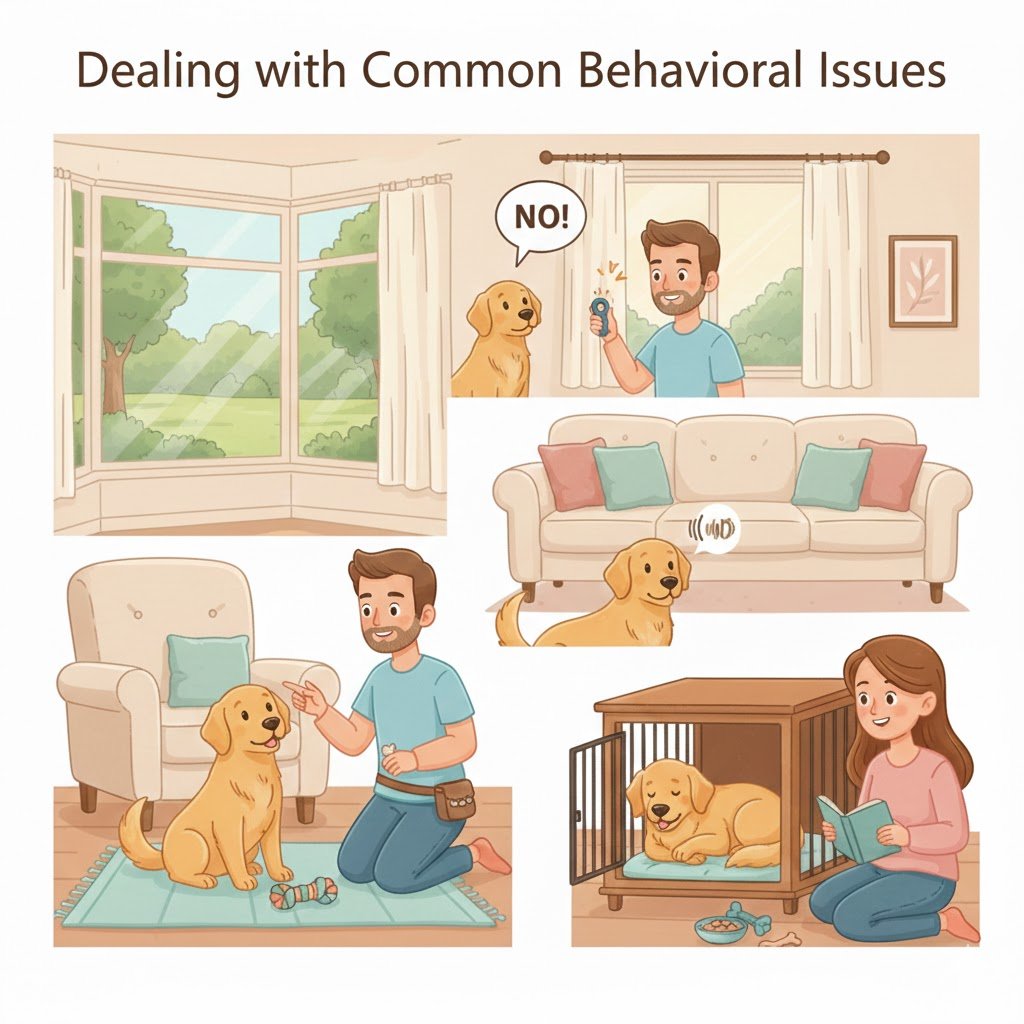
Even well-trained dogs can sometimes develop challenging behaviors that require extra patience and guidance. Common issues include excessive barking, chewing on furniture or personal items, separation anxiety, and difficulty following commands consistently. These behaviors often stem from boredom, lack of exercise, or stress, and addressing them early with positive reinforcement, consistency, and appropriate training tools can prevent them from becoming long-term problems. Understanding the root cause and responding calmly helps maintain a happy, balanced relationship between you and your dog.
- Chewing: Provide durable toys and redirect attention from furniture.
- Excessive Barking: Identify triggers and use consistent commands and rewards.
- Jumping: Teach an alternative behavior, such as sitting when greeting people.
- Separation Anxiety: Gradually increase alone time and use positive reinforcement.
Behavioral problems often stem from boredom, lack of training, or unmet needs. Address issues early, use positive reinforcement, and consult a professional if necessary.
9. Advanced Training and Tricks
Once your dog masters basic commands, advanced training and tricks provide mental stimulation and fun. Teaching tricks like rolling over, fetching specific items, or playing hide-and-seek engages your dog’s mind and strengthens your bond.
Interactive toys, clicker training, and structured practice sessions keep learning enjoyable. Advanced training also helps active or intelligent breeds release energy in constructive ways, reducing destructive behavior and promoting overall happiness.
10. Patience and Consistency
Training is a long-term commitment. Dogs thrive on routine, predictability, and clear communication. Set realistic expectations and celebrate small successes along the way.
Consistency across family members is essential; everyone should use the same commands and reward system. Even setbacks are learning opportunities, and maintaining a calm, patient approach ensures training remains positive and effective.
Frequently Asked Questions
How long does it take to train a dog?
Training duration varies by breed, age, and consistency. Puppies can learn basic commands in a few weeks, while more complex behaviors may take months.
What’s the best age to start training?
Training can start as early as 7–8 weeks for puppies, focusing on socialization and basic commands. Adult dogs can also learn, though patience may be required.
Can I train my dog at home without a professional?
Absolutely. Many dogs respond well to consistent, positive reinforcement at home, though professional guidance can help with specific behavioral challenges.
How do I motivate a stubborn dog?
Find high-value treats, favorite toys, or praise that resonates with your dog. Short, frequent sessions often work better than long ones.
Are treats necessary for effective training?
Treats aren’t required but are highly effective, especially for initial learning. They help your dog associate commands with positive outcomes and encourage consistent behavior.
Final Thoughts
Training your dog is a journey that benefits both pet and owner. Using the right tools, techniques, and mindset, you can create a safe, happy, and well-behaved companion. From basic commands to advanced tricks, consistency and positive reinforcement make training enjoyable and rewarding.
Investing time in training strengthens your bond, prevents behavioral issues, and ensures your dog thrives in your home and community. Whether you’re a first-time dog owner or experienced handler, these tips and tools will guide you toward a successful, stress-free training experience in 2026 and beyond.