
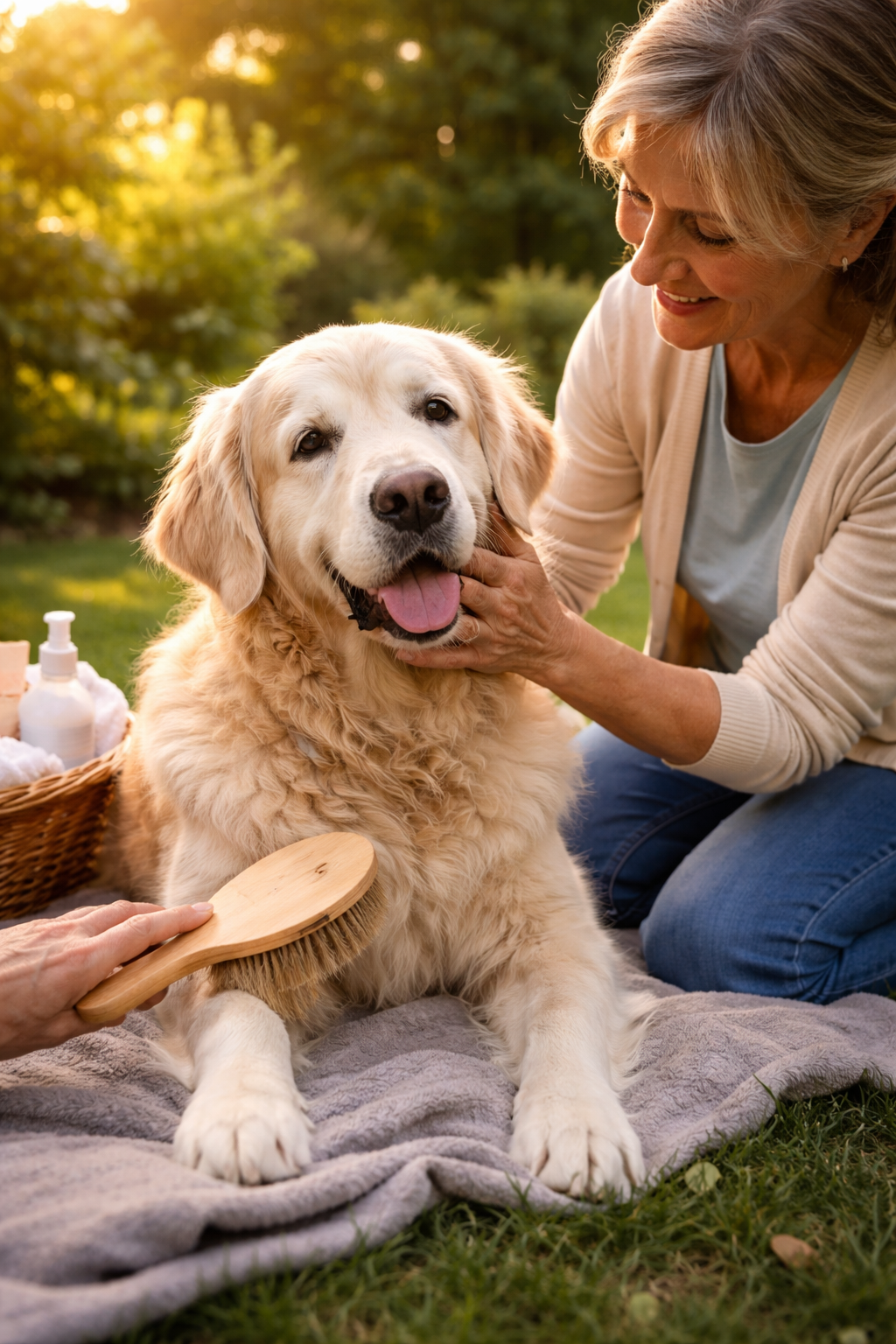
As our furry friends age, their needs evolve. Senior dogs require special attention to maintain their health, mobility, and happiness. Providing proper senior dog care ensures that your companion can enjoy their golden years comfortably, with energy, vitality, and a strong bond with you.
In this guide, we’ll cover 12 essential senior dog care tips, from nutrition and exercise to mental stimulation and regular veterinary checkups. These tips will help you support your dog’s overall well-being and enhance their quality of life.
Understanding Senior Dogs

Before diving into tips, it’s important to recognize when a dog becomes “senior.” The age varies by breed and size:
- Small breeds: 10–12 years
- Medium breeds: 7–9 years
- Large breeds: 6–8 years
Knowing your dog’s stage in life helps you tailor senior dog care effectively. Changes in energy, appetite, or mobility are normal and require proactive attention.
1. Adjust Their Diet

Nutrition is one of the most critical aspects of senior dog care. Older dogs may need fewer calories but higher nutrient density.
- Offer lean proteins like chicken, turkey, or fish.
- Include healthy fats such as fish oil or flaxseed for skin and coat health.
- Add digestible carbohydrates and fiber, like sweet potatoes or rice, for gentle digestion.
Balanced nutrition supports energy, weight management, and overall well-being in senior dogs.
2. Maintain a Healthy Weight
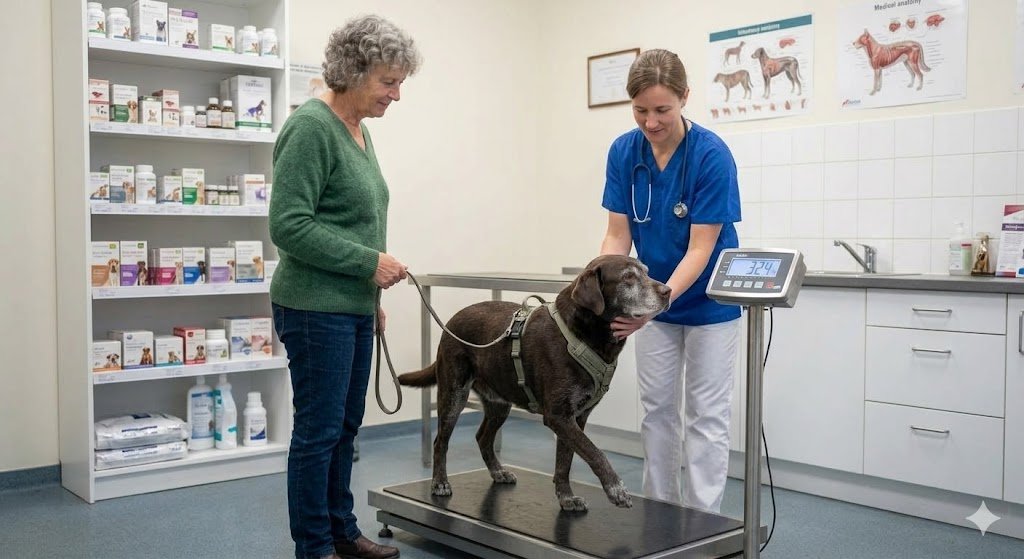
Weight management is crucial for proper senior dog care. Extra pounds stress joints, exacerbate arthritis, and increase disease risk.
- Regularly weigh your dog to track changes.
- Limit treats and high-calorie snacks.
- Incorporate low-impact exercise, like short walks or swimming.
Even small adjustments in diet and activity can significantly improve mobility and comfort.
3. Exercise Regularly
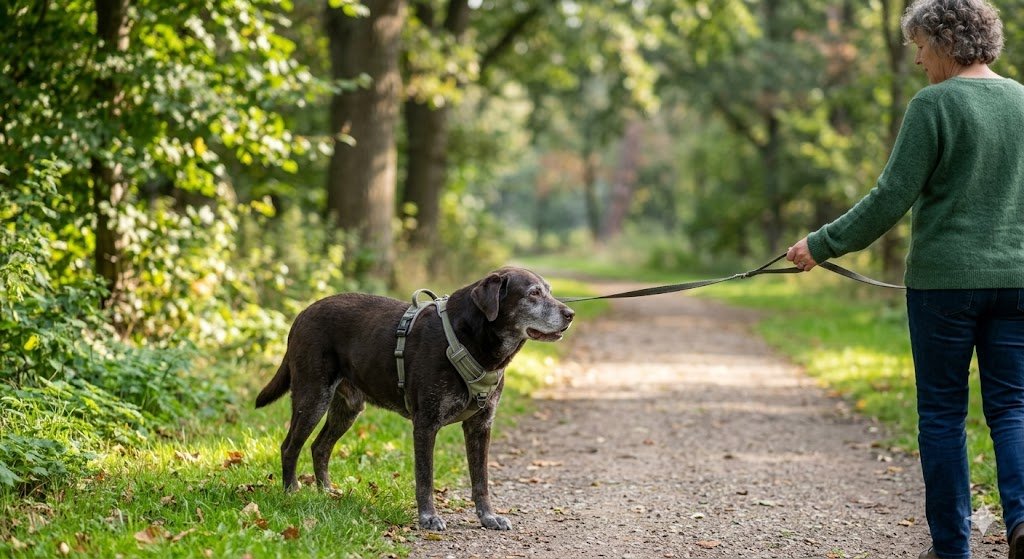
Exercise is essential for maintaining muscle strength, joint flexibility, and mental alertness.
- Opt for short, gentle walks rather than long, strenuous sessions.
- Swimming or hydrotherapy is excellent for dogs with arthritis.
- Interactive toys and gentle games provide mental stimulation.
Consistent activity is a cornerstone of senior dog care, keeping older dogs happy and healthy.
4. Schedule Regular Veterinary Checkups
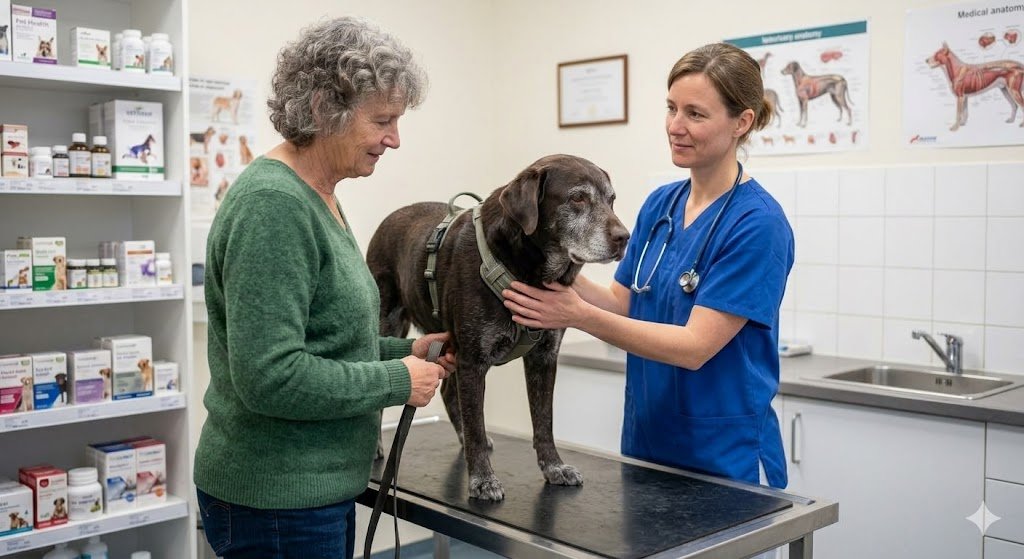
Older dogs should see a vet at least twice a year. Routine checkups help detect conditions like arthritis, dental disease, diabetes, or heart problems early.
- Conduct blood tests, urine tests, and physical exams regularly.
- Discuss supplements or medications that support aging bodies.
- Keep a record of changes in behavior or appetite to report to your vet.
Proactive veterinary care is a critical aspect of responsible senior dog care.
5. Dental Care
Dental health is often overlooked in senior dog care. Gum disease and tooth decay can cause pain and impact overall health.
- Brush your dog’s teeth regularly with dog-safe toothpaste.
- Offer dental chews or toys to reduce plaque and tartar.
- Schedule professional cleanings if recommended by your veterinarian.
Strong teeth and healthy gums improve eating comfort and prevent infections.
6. Support Joint Health

Arthritis and stiffness are common in older dogs. Supporting joints is a key part of senior dog care.
- Use joint supplements like glucosamine and chondroitin.
- Provide orthopedic beds to relieve pressure on joints.
- Use ramps or stairs to prevent strenuous jumping.
Proper joint support improves mobility and reduces pain in senior dogs.
7. Grooming and Skin Care
Grooming is vital for hygiene and comfort in senior dogs.
- Brush the coat regularly to remove dead hair and mats.
- Bathe with gentle, moisturizing shampoo.
- Inspect skin for lumps, bumps, or unusual growths.
Frequent grooming also allows owners to monitor health changes, making it an essential part of senior dog care.
8. Mental Stimulation
Older dogs can experience cognitive decline, including anxiety or forgetfulness. Mental stimulation helps maintain brain function.
- Use puzzle feeders or interactive toys.
- Teach new, gentle commands or tricks.
- Rotate toys and introduce new scents or textures.
Keeping the mind active is a vital component of complete senior dog care.
9. Comfortable Sleeping Areas
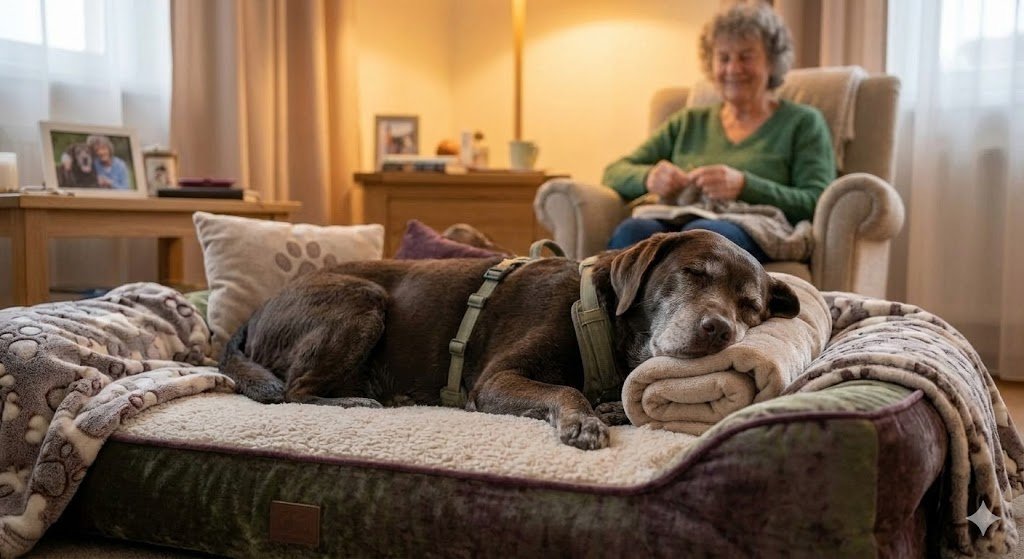
Senior dogs require more rest and supportive beds.
- Provide memory foam or orthopedic beds for joint support.
- Ensure the sleeping area is warm, quiet, and draft-free.
- Add blankets for extra comfort and security.
A cozy sleeping environment enhances rest and promotes overall well-being.
10. Monitor Behavior and Health
Observing your dog closely is essential in senior dog care.
- Track changes in appetite, water intake, or sleep patterns.
- Notice mobility issues, difficulty standing, or stiffness.
- Watch for behavioral changes, including confusion or anxiety.
Early detection of issues allows prompt veterinary care and prevents complications.
11. Hydration
Older dogs are more prone to dehydration, which can affect kidneys and overall health.
- Provide fresh water at all times.
- Consider adding water or broth to food.
- Observe for signs like dry gums or lethargy.
Hydration is a simple yet essential part of complete senior dog care.
12. Safe Home Environment
Creating a safe environment is critical for aging dogs.
- Remove obstacles and tripping hazards.
- Use non-slip mats on slippery floors.
- Ensure ramps or stairs are secure for furniture access.
A safe home reduces accidents and keeps older dogs comfortable.
Call to Action
Your senior dog deserves the best care during their golden years. Start implementing these senior dog care tips today to improve their health, comfort, and happiness. Schedule a vet visit, adjust their diet, provide cozy bedding, and include gentle exercise. Small steps can make a huge difference in your dog’s quality of life.
FAQs About Senior Dog Care
Q1: At what age does a dog become senior?
Small breeds: 10–12 years; Medium: 7–9 years; Large: 6–8 years.
Q2: How often should senior dogs see a vet?
At least twice yearly for checkups and preventative care.
Q3: Can older dogs still exercise?
Yes, but adjust intensity and duration. Gentle walks, swimming, and mental games are ideal.
Q4: What foods are best for older dogs?
Lean proteins, moderate fiber, healthy fats, and senior-specific supplements.
Q5: How do I make my senior dog comfortable at home?
Use orthopedic beds, ramps, safe flooring, and provide mental stimulation.
Final Thoughts
Aging is natural, but proper senior dog care can help your dog remain active, healthy, and happy for many years. By focusing on nutrition, exercise, veterinary visits, mental stimulation, and a safe environment, you can ensure your senior dog enjoys a comfortable and joyful life.